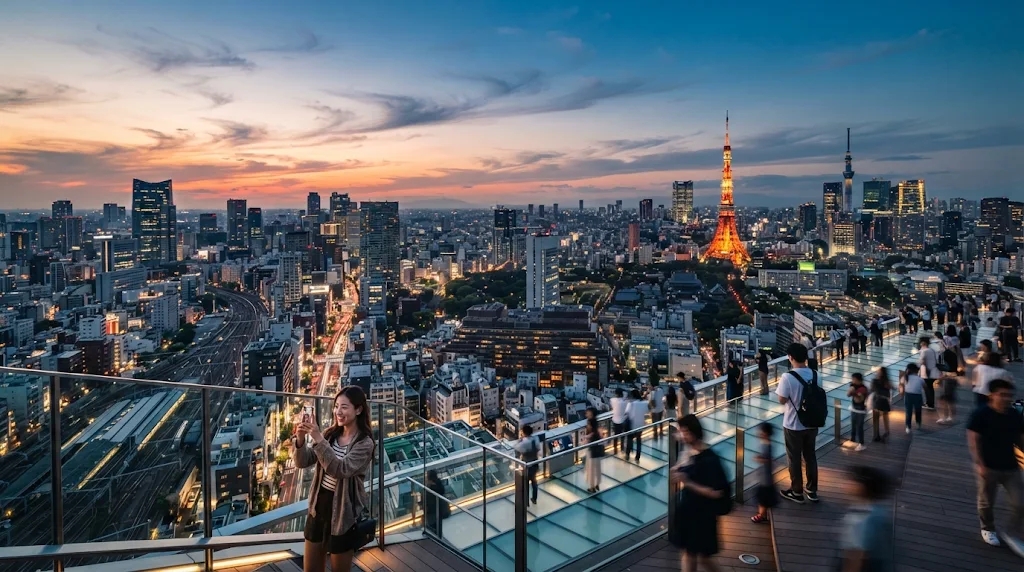
Modern lifestyles are changing the way consumers choose products, services, and personal experiences. In Japan, urban customers are increasingly interested in businesses that understand their individual preferences and provide services that fit their daily routines. Specialized establishments, including beauty salons and personal care businesses, are responding to these developments by offering more focused and personalized experiences. The growing relevance of lugar-tokyo provides an interesting perspective on how specialized businesses can adapt to modern lifestyle trends while maintaining a distinctive position in Japan’s competitive service industry.
The Shift Toward Personalized Consumer Experiences
One of the most noticeable changes in modern consumer behavior is the increasing demand for personalization. Customers no longer evaluate businesses only through their basic services or prices. They also consider whether an establishment understands their preferences, lifestyle, and individual requirements. Specialized businesses can respond by providing customized consultations, flexible service options, and recommendations based on customer needs. For businesses such as lugar-tokyo, personalization represents an important opportunity to create meaningful customer experiences and establish stronger relationships with their audiences.
The Growing Importance of Self-Care in Urban Life
Self-care has become an important part of modern lifestyles, particularly among people living in busy metropolitan areas. Professional responsibilities, commuting, and social activities can make personal relaxation and grooming valuable priorities. Consumers increasingly seek services that help them maintain their appearance while creating opportunities to take a break from everyday routines. Beauty treatments, hair care, and wellness experiences can become part of regular self-care habits. This development supports demand for specialized businesses that provide comfortable environments and services designed around individual preferences.
Digital Technology and Changing Consumer Habits
Technology has significantly influenced how consumers discover and interact with specialized businesses. Digital platforms allow people to compare services, explore customer reviews, examine photographs, and organize appointments before visiting an establishment. Mobile-friendly information and convenient reservation systems have become particularly valuable for customers with limited free time. Businesses connected with the lugar-tokyo concept can be examined within this digital transformation, where accessibility and clear communication influence customer decisions. Maintaining accurate digital information helps specialized establishments build visibility and establish credibility.
The Influence of Social Media on Service Expectations
Social media has transformed how people discover lifestyle trends and evaluate service businesses. Photographs, short videos, customer experiences, and professional demonstrations can introduce consumers to new treatments and personal care ideas. Visual content also influences expectations because potential customers often develop preferences after seeing particular styles or experiences online. However, businesses should communicate realistic service information rather than relying exclusively on attractive promotional images. Consistent presentation and informative content can help specialized establishments build stronger connections with modern audiences.
Convenience as a Major Consumer Priority
Modern consumers often prefer businesses that make everyday activities easier to organize. Convenient locations, straightforward booking procedures, clear operating schedules, and efficient treatments can influence where customers choose to spend their time. In a busy city like Tokyo, convenience is particularly relevant because individuals frequently balance work, transportation, family responsibilities, and personal activities. Specialized businesses that simplify the customer journey can create a competitive advantage. Combining efficient operations with attentive service allows establishments to meet practical expectations without sacrificing customer comfort.
The Growing Interest in Specialized Services
Consumer preferences are increasingly diverse, creating opportunities for businesses that concentrate on specific service categories. Instead of offering every possible treatment, specialized establishments may focus on particular beauty techniques, grooming services, skincare approaches, or personal wellness experiences. This strategy allows businesses to develop professional expertise and communicate a clearer identity. Customers may also find it easier to select establishments that directly match their requirements. The lugar-tokyo perspective highlights the relevance of specialization within Japan’s developing personal care and service market.
Health Awareness and Responsible Personal Care Choices
Modern lifestyle trends also reflect growing awareness of personal health and responsible care practices. Consumers may pay closer attention to product ingredients, hygiene procedures, treatment suitability, and professional recommendations. This awareness encourages specialized businesses to provide transparent information about their services and products. Customers generally appreciate explanations that help them understand available options before making decisions. Businesses that prioritize responsible communication and appropriate service standards can strengthen customer confidence while responding to increasingly informed consumer behavior.
Changing Expectations Among Younger Consumers
Younger generations often discover lifestyle businesses through digital platforms and are exposed to rapidly changing fashion and grooming trends. They may value visual presentation, convenient communication, flexible services, and experiences that reflect their personal identities. However, younger consumers are not a uniform market, and their preferences can differ considerably. Specialized businesses should therefore avoid relying on assumptions about age alone. Understanding actual customer feedback and observing changing interests can help establishments develop relevant services and communicate more effectively.
The Importance of Brand Identity and Business Positioning
A recognizable brand identity helps specialized businesses distinguish themselves in competitive markets. Brand positioning includes the way a business communicates its services, professional values, customer experience, and overall personality. Modern consumers often look for establishments whose identity matches their expectations and lifestyle preferences. For a business discussed in relation to lugar-tokyo, a clear positioning strategy can help explain its relevance within Japan’s specialized service environment. Consistent communication across customer interactions and promotional materials also strengthens brand recognition.
Customer Reviews and the Development of Business Reputation
Customer feedback has become an important influence on modern purchasing decisions. Before selecting a specialized business, consumers may examine reviews to understand service quality, staff behavior, pricing, and overall experiences. Positive feedback can encourage new customers, while repeated concerns may influence business reputation. Establishments should treat reviews as useful information for identifying areas that require improvement. Responding professionally to customer concerns demonstrates responsibility and helps businesses develop stronger relationships with their audiences.
Sustainability as an Emerging Lifestyle Consideration
Environmental awareness is gradually becoming part of consumer decision-making across different industries. Some customers consider whether businesses manage resources responsibly, reduce unnecessary packaging, and select suitable products. Specialized salons and personal care establishments can explore practical improvements such as efficient water usage, waste reduction, and more responsible purchasing decisions. These initiatives may also support better operational management. Although sustainability is not the only factor influencing customer choices, responsible practices can contribute to a positive business image.
Adapting Business Strategies to Competitive Markets
Specialized businesses must continuously evaluate their strategies to remain relevant as consumer expectations change. Market research, customer feedback, employee development, and service improvements can help identify new opportunities. Businesses should also monitor competitors without simply copying their promotional methods or service concepts. Developing an authentic identity and maintaining consistent quality are more sustainable approaches to differentiation. Through the lugar-tokyo perspective, adaptation can be understood as an important part of maintaining relevance within Japan’s changing urban service economy.
Future Opportunities for Lifestyle-Oriented Businesses in Japan
The future of specialized businesses in Japan will likely involve greater attention to personalization, digital accessibility, professional expertise, and customer convenience. Consumers may increasingly seek services that integrate naturally into their lifestyles rather than requiring complicated arrangements. Businesses that combine modern technology with genuine human interaction can respond effectively to these expectations. Continued interest in grooming, personal wellness, and individual experiences also creates opportunities for specialized establishments to develop new service concepts and reach different customer segments.
Conclusion: The Lasting Impact of Modern Lifestyle Trends
Modern lifestyle trends are reshaping how specialized businesses operate and communicate with consumers in Japan. Personalization, self-care, digital convenience, social media, sustainability, and professional service quality all influence customer expectations. Businesses associated with the lugar-tokyo perspective can be understood within this wider transformation of the urban service market. Long-term success depends on recognizing changing consumer priorities while maintaining a clear business identity. Specialized establishments that remain adaptable, customer-focused, and consistent in their service standards can build lasting relationships and strengthen their position in Japan’s evolving economy.
